How to Back Up and Organise Your Digital Diary: A Checklist for Peace of Mind
October 06, 2026 - Digital Diaries


September 30, 2026 - Digital Diaries

September 25, 2026 - Memory Keeping
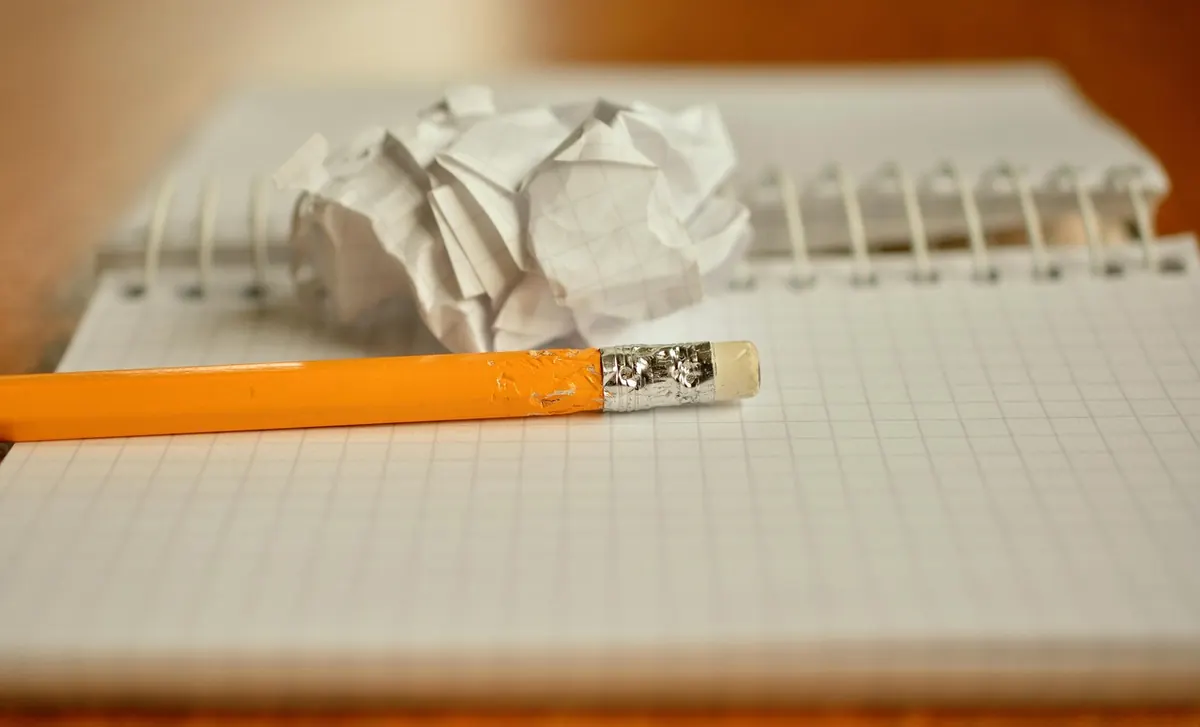
Most journals start well. Three eager entries, a gap of nine days, then a blank page you avoid because you have nothing worth saying. Discipline usually gets the blame. More often the cause is a handful of habits that quietly turn writing into a performance, and performance is the opposite of reflection. None of the mistakes below look dramatic on their own. Together they explain why so many journals become a list of what happened rather than a record of what you made of it.
Perfectionism rarely announces itself. It arrives dressed as high standards: you skip Tuesday because nothing happened, cross out the first line three times, or buy a new notebook because the current one has a scrawled page in it. The result is a journal containing only the days you could describe well. That is a highlight reel, and highlight reels are poor material for reflection because they leave out the ordinary texture that later explains a mood or a decision.
Write for the version of you reading this in a year, who will remember almost nothing. What you ate, the walk you nearly skipped, the message you did not send, the thirty minutes spent staring at a screen instead of starting the thing you care about. Those are the details that make sense of a week later on.
If the entry has to be well written, you will only write what you already know how to say. A few rules that loosen this:
Prompts are useful, and borrowing a format is a fine way to begin. The trouble starts when the borrowed voice stays longer than the borrowed structure. You end up writing in the register of an advice column, producing tidy summaries that sound reflective and contain nothing you did not already think.
Try a prompt shelf: a short list of four or five questions that genuinely interest you, kept at the front of the notebook or in a note on your phone. When none of them fits, write your own question at the top of the page and answer it. And if a method starts to feel like homework — daily gratitude lists, colour-coded spreads, three pages before breakfast — drop it for a fortnight and see whether you miss it. The format should serve the thinking, not compete with it.
You can tell when this has happened. The entry stops being about what you feel and becomes an explanation of why you were justified, complete with background detail that nobody needs. You soften a sentence in case someone finds the notebook. You write about an argument as though the other person will read it and finally understand.
Two things help. First, say plainly on the page: no one is reading this. It sounds odd and it works, because it gives you permission to be unflattering. Second, protect the privacy properly — a locked drawer, a password, a shelf nobody else uses. If you share a home and share everything, agree on one place that stays unread. Honest writing needs a room with the door shut. If you are working through something that touches your health, your money or a legal matter, a journal is a useful place to think, but it is not a substitute for talking to a qualified professional.
The most common entry in the world reads like a report: what I did, who I saw, how tired I am. It is fine as a first paragraph and nearly useless as a whole entry, because it stops at description.
Draw a line down the middle. On the left, list what happened in a few blunt phrases. On the right, write your reaction to each one: irritation, relief, a small ache of envy. The right-hand column is where the reflection lives.
If columns feel fussy, finish any event-based entry with one of these: what did I make of that; what did it cost me; what would I do differently. Even one line changes the shape of the entry from diary to thinking.
The first answer is almost always the easy answer. “I’m annoyed because the meeting overran.” True, but shallow. The useful material sits underneath, and it takes about ninety seconds to reach.
Two ways to get there. Ask and what else? twice, writing whatever surfaces even if it sounds petty. Or follow a “because” chain: I’m annoyed because the meeting overran, because I lost the hour I had set aside, because I had told myself this week would be different. That last clause is the one worth keeping. You are not hunting for a dramatic revelation each time; often you are just finding the plainer sentence underneath the polite one.
A journal nobody rereads is a storage box. The reflection happens on the second visit, when a month of entries sits side by side and patterns become visible.
Set aside twenty minutes at the end of each month. Read with a pen, mark anything that still stings or still pleases you, and then write a short page titled “what I notice”. Look for repeated phrases and repeated situations: the same person mentioned with the same tone, the same task postponed four times, the same good hour on a Sunday. Keep a list of those themes at the back of the notebook. That list becomes the most useful thing you own, because it shows you what your days are actually made of.
If your journal has stalled, restart small rather than perfectly.
Reflection is not a talent and it does not require a beautiful notebook. It needs an honest page, a little repetition and enough privacy to say the plain thing. Start with ten minutes today, and let it be ordinary.
Photo: congerdesign / Pixabay

A practical checklist for naming, backing up, encrypting and future-proofing a digital diary, so years of private...
Paper and digital diaries each have real strengths. A practical look at searchability, privacy, backups and the...
September 30, 2026 - Digital Diaries
Copyright © 2026 Diary Stack. All Right Reserved.