How to Back Up and Organise Your Digital Diary: A Checklist for Peace of Mind
October 06, 2026 - Digital Diaries


September 30, 2026 - Digital Diaries
September 25, 2026 - Memory Keeping
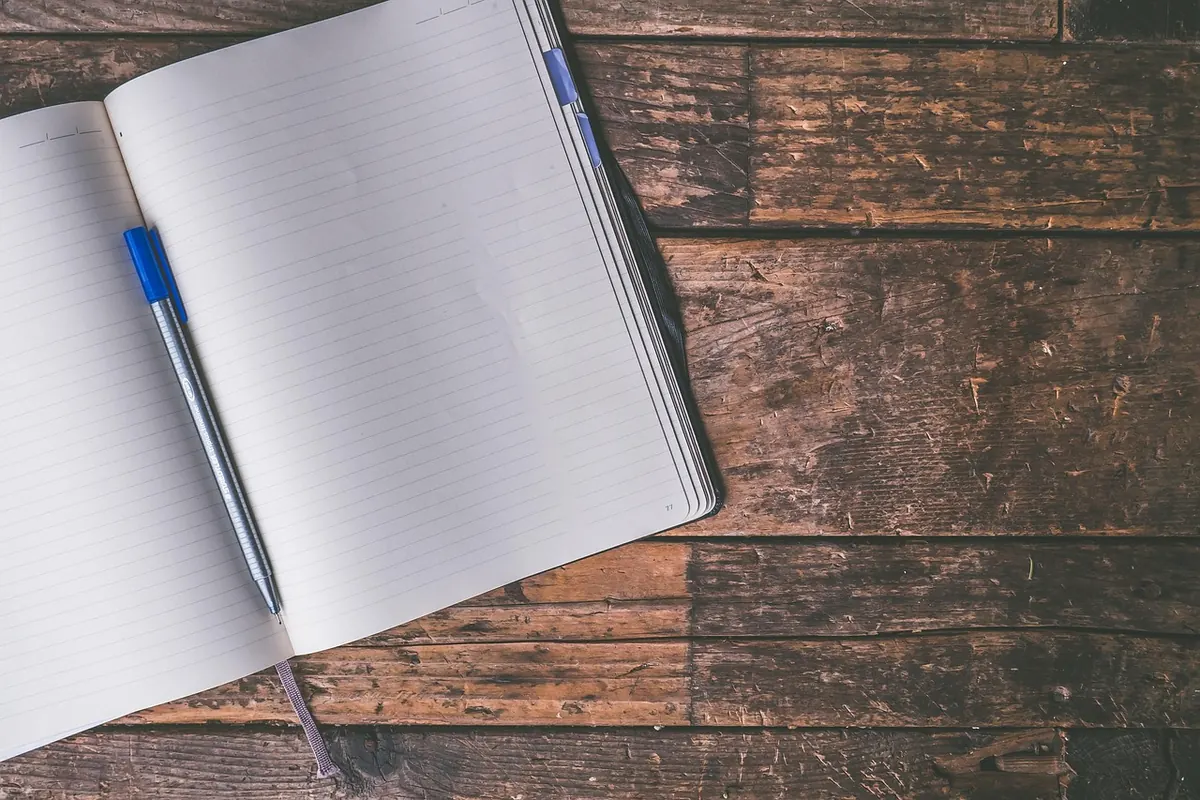
Most people who keep a diary for more than a couple of months hit the same wall. You have a shelf of half-filled notebooks, or an app you stopped opening in February, and you start wondering whether you chose the wrong format. Paper and digital diaries do the same job, but they fail in different ways and reward different habits. Neither is automatically better. What matters is which one you will still be using in six months, and what you want to be able to do with the pages afterwards.
Paper asks for a pen, decent light and somewhere to sit. It cannot be backed up with a button, it runs out of pages, and it exists in exactly one copy. In exchange, it never pings, never updates itself and works perfectly with a flat battery.
An app asks for a charged device, an unlocked screen and a willingness to hold your phone at the exact moment you were trying to put it down. In exchange, you get search, tags, and an entry that exists on your phone, your laptop and a server before you have finished the sentence.
The friction is the whole story. If your obstacle is finding a quiet ten minutes, paper's requirements might be why you stop. If your obstacle is your own phone, an app can either be the thing that keeps you away from the page or the thing that lets you write on the train home.
This is where digital wins without much argument. You can search for a word across years, filter by tag, or jump to a date on a calendar view. If you want to know what you wrote the last time you changed jobs, or how often you mentioned a particular worry, an app answers in seconds.
Paper cannot do that, but it offers something an app rarely does: browsing. Flicking through a notebook, you notice the entry next to the one you wanted — the weather, the shopping list, the sentence you wrote in a different colour pen. That accidental rediscovery is a genuine part of why people keep journals.
You can make paper more findable:
A paper journal is protected by physical security, which is either reassuring or useless, depending on your household. A locked drawer or box helps. Leaving it in a shared office, a rucksack or a spare room that guests use does not.
Digital privacy depends on settings most of us never check. Worth doing once:
If you are recording anything to do with a dispute, an illness or money, think about who might need to read it later and in what form. A solicitor or financial adviser can tell you what is worth keeping and how, which is not a decision to guess at.
Paper survives format changes, company closures and forgotten passwords. A notebook from 1994 still opens. The risk is physical: fire, flood, damp, a house move, a bin bag that goes out by mistake. If your journals matter to you, keep them in one dry place, away from radiators and pipes, and photograph the pages of anything you would hate to lose. It is a dull afternoon's work and it takes the fear out of the rest.
Apps have the opposite profile. Cloud sync means your entries usually survive a lost phone, but they can be lost with a closed account, a forgotten password or a failed export. Get into the habit of exporting your diary to PDF or plain text once a month, and keep that file somewhere you control — a hard drive, or a folder you own rather than rent.
Handwriting is slower than typing, and for journaling that is a feature rather than a flaw. The pace gives you time to think about the next sentence, and the physical act of forming words tends to keep attention on the page instead of the paragraph you just wrote.
Paper also has an end. A finite notebook gives you a visible record of how much you have written, and a row of filled spines is quietly satisfying in a way a list of files is not. The drawbacks are real, though: hand cramp, illegible handwriting, and no dictation when you want to record something while walking.
That last point matters more than it is usually given credit for. If you have a tremor, arthritis or a condition that makes writing painful, an app with dictation, adjustable text size and voice playback is not a compromise. It is the format that lets you keep a diary at all.
Answer these honestly and the decision usually makes itself:
A hybrid is perfectly respectable, and many people settle there. Paper for the daily free-writing and the messy thinking; an app for anything you might need to find again — mood notes, symptoms, spending, project ideas. Or the reverse: type on weekdays when you are tired, write by hand at the weekend when you have time. There is no rule that the two have to match.
Pick a single format and commit to fourteen days. Put the pen and notebook where you will see them, or pin the app to your home screen and turn off every notification except the one you want. Write the date and one line about the day, even if that line is "nothing happened, I am tired".
On day fourteen, ask two questions: did I actually write most days, and did I ever wish I could search this? If you wrote and never wanted to search, paper is working. If you wrote and kept wishing you could find something, move across or run both. The format that gets written in beats the one that looks better in theory.
Photo: fancycrave1 / Pixabay
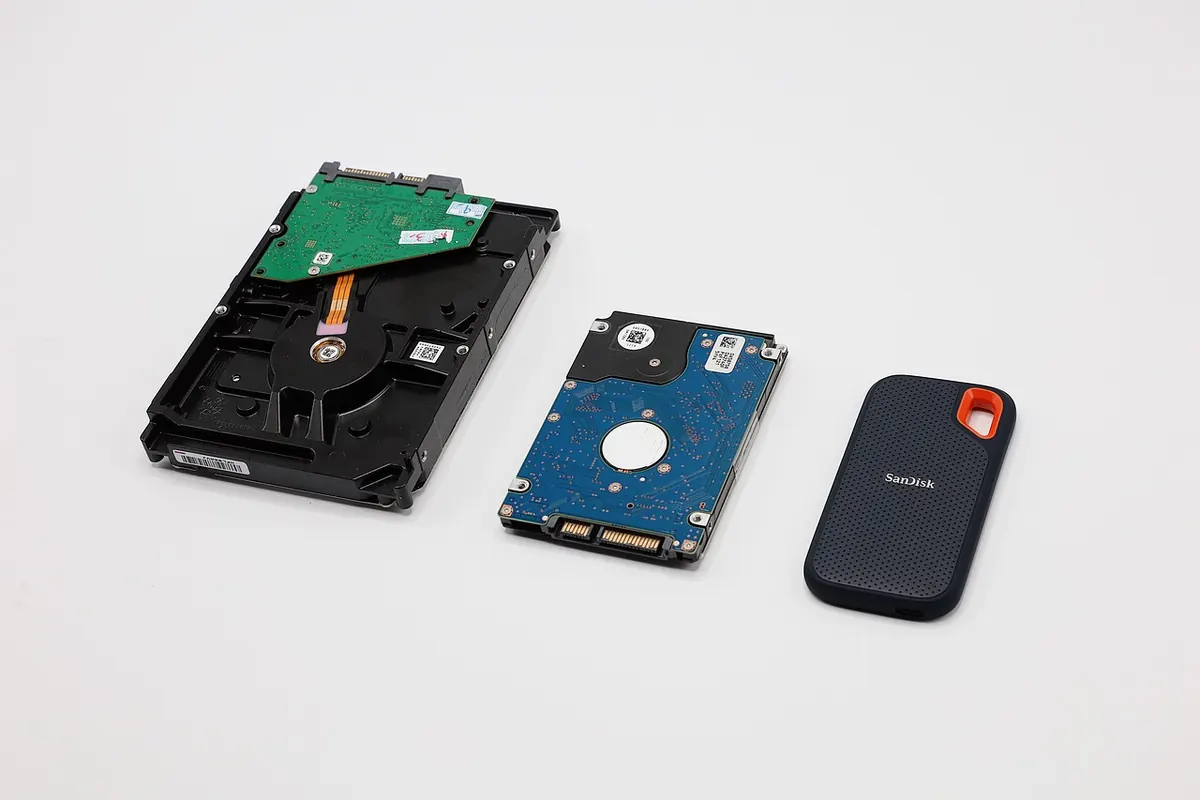
A practical checklist for naming, backing up, encrypting and future-proofing a digital diary, so years of private...
A practical comparison of bullet journals and dated diaries for memory keeping, covering flexibility, structure,...
September 30, 2026 - Digital Diaries
Copyright © 2026 Diary Stack. All Right Reserved.