How to Back Up and Organise Your Digital Diary: A Checklist for Peace of Mind
October 06, 2026 - Digital Diaries


September 30, 2026 - Digital Diaries

September 25, 2026 - Memory Keeping
Most journals die in the second week of January. The reason is rarely laziness. It's that a blank page asks for more than most days can give. A one-line memory journal removes the demand. You record one moment, in one sentence, and close the book. Some days that sentence will be about a new job; most days it will be about a dog refusing to walk past a puddle. Both are worth keeping. The method is small enough to survive bad weeks, and long enough to become something you'll genuinely want to read in December.
Anything you'd mention if someone asked how your day went. That's the bar, and it's lower than most people think.
A memory has an image in it. Take the sentence "Busy day, quite tired" and squeeze it a little: "Fell asleep on the sofa at eight with the radio still on." The first version is a status report. The second will bring the whole evening back in six months — the light, the noise, the state of your shoulders.
So aim for something you could photograph, smell or hear. A first coffee in the garden. The smell of next door's bonfire. A two-minute phone call with your sister about nothing. The exact moment the train finally moved.
No day has to be interesting. The line records the day, not your achievement in it.
Where your journal lives decides whether it survives to February.
Either works. Paper keeps you off a screen at midnight and feels better to reread in a year; a phone survives handbags, bus queues and dark mornings. Pick one and stay with it. If you do switch partway through the year, carry the last week of lines across so the record doesn't break.
The blank moment is normal, not a sign that your life is too dull for a journal. Keep a few questions in reach and answer whichever one you can:
Weather is underrated. "Rained all day, walked to the shop anyway" is a perfectly good line, and in three years it will tell you more about that week than a summary ever could.
You can also borrow a shape when the days blur together: a first (first frost, first tomato, first time the bus arrived early), a last, or a small win. Rotate through shapes rather than topics. And answer the prompt in one sentence — don't let it turn into a heading over a paragraph.
You will miss days. Travel, illness, a newborn, a week where every evening ends in the same exhausted heap on the same sofa. Missing days isn't failure. Quitting because you missed days is the only real way this fails.
The journal only pays out if you read it. Once a month, read back the last thirty lines. It takes four minutes. Anything you'd forgotten comes back, and you start noticing patterns — weeks that were heavier than they felt at the time, small good things that happened far more often than you'd have guessed.
At the end of the year, do two things. Read the whole thing in one sitting, ideally with a pot of tea and your phone in another room. Then copy out five to ten lines onto a single page, or into the front of next year's notebook. That short page becomes the version of the year you keep.
If it's a paper journal, write the finishing date inside the cover. It's a small gesture, but it marks the year as done rather than abandoned.
The whole method, in five steps:
No subscription, no ritual to maintain, no pressure on the days that don't deserve a paragraph. A year from now you'll have three hundred or so lines and, more usefully, a record of the ordinary days you'd otherwise have had no way of getting back.
Photo: 6689062 / Pixabay
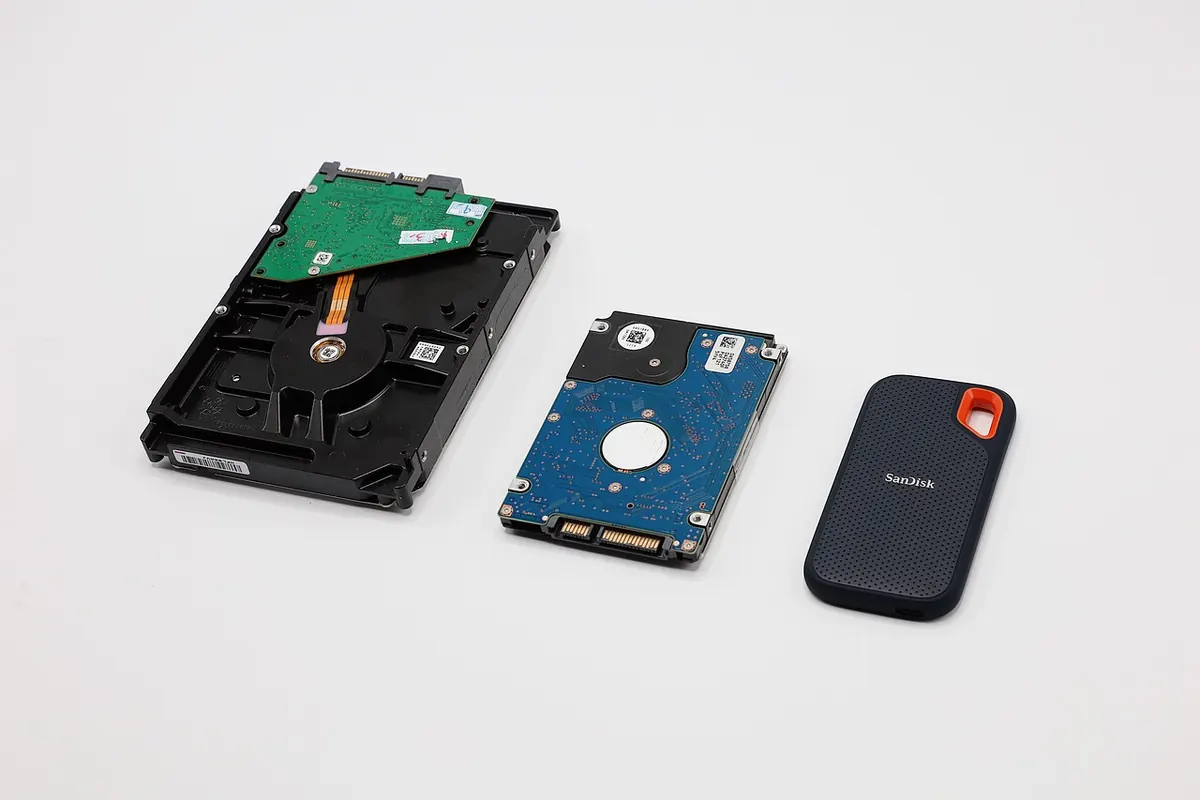
A practical checklist for naming, backing up, encrypting and future-proofing a digital diary, so years of private...
Paper and digital diaries each have real strengths. A practical look at searchability, privacy, backups and the...
September 30, 2026 - Digital Diaries
Copyright © 2026 Diary Stack. All Right Reserved.