How to Back Up and Organise Your Digital Diary: A Checklist for Peace of Mind
October 06, 2026 - Digital Diaries


September 30, 2026 - Digital Diaries

September 25, 2026 - Memory Keeping
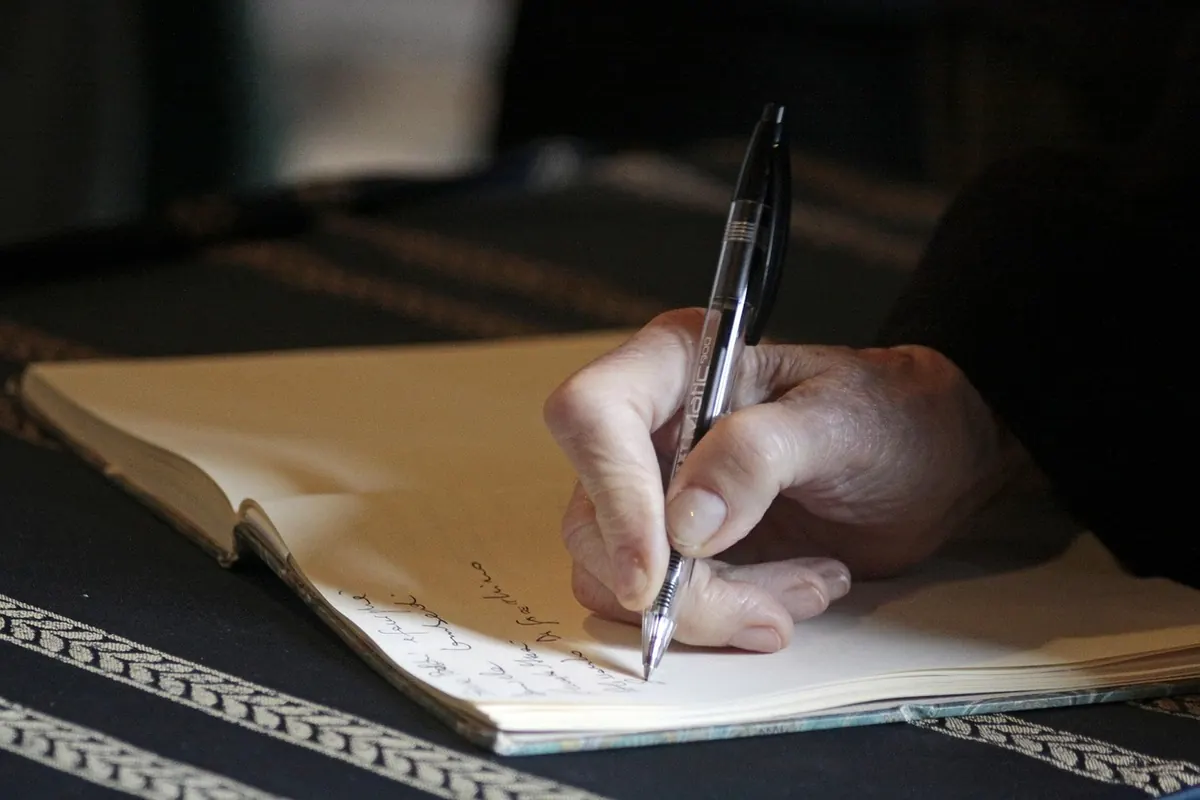
Ten minutes is not much. It is about the length of a kettle boiling twice, or one stop on a slow train. That is the whole proposition: a journaling habit does not need an hour of silence, a leather-bound notebook or a personality change. It needs a reliable cue, a low bar, and a clear way back in when you miss a day.
Most people who start a diary stop within a fortnight. Rarely because they ran out of things to say; usually because they set a standard they could only meet on a good day, then read a missed Tuesday as proof that the whole idea was silly. The fix is not more willpower. It is a small amount of design, done once, so the decision is already made for you.
New habits stick best when they are attached to old ones. Instead of choosing a time and hoping for the best, bolt the journal onto something you already do without thinking. The cue needs to be physical and specific. "In the evening" is not a cue, it is a wish. "After I put my mug in the sink at breakfast" is a cue: it has a place, a moment and a finish line.
A few pairings that tend to work:
Choose one and write it somewhere you will see it. One cue, not four. You can add a second slot later, once the first is automatic.
Decide in advance what counts as a finished entry. Three sentences. Or one sentence plus a single word describing your mood. That is the minimum, and the minimum is the target. Anything longer is a bonus, not the standard you are being measured against.
Lower the bar until it feels almost too easy. A habit built on twenty-minute entries will fall apart the first busy week. A habit built on three sentences survives deadlines, head colds and bad news. And once you are sitting there with the pen in your hand, you will often write more anyway.
If ten minutes feels long, halve it. Five honest minutes beat twenty aspirational ones.
Blank-page paralysis is what turns a ten-minute habit into a twenty-minute standoff. Keep three or four prompts in the back cover so you never have to invent a starting point while tired. Useful ones include:
You can use the same prompt for a fortnight. Repetition is not laziness; it is how you notice change. If you would rather not use prompts at all, start each entry with the plainest sentence available: "Today was…" and keep going from there.
Friction is the gap between intending to write and actually writing. Close it as far as you can. Keep the notebook in the same place every day, with the pen clipped to it. If you write on a phone or laptop, keep the document open and pinned rather than buried in a folder. Put the phone in another room if the phone is what usually swallows the ten minutes.
Keep the entries private. An honest diary is a dull read for anybody else, which is precisely the point. If you share a home and worry about someone flicking through it, choose a drawer or a locked note and say so out loud. Knowing it is yours changes what you are willing to write.
You will miss a day. Missing one is ordinary and means nothing. Missing two starts to feel normal, and by the fourth you are half-convinced you never really had a habit at all. So keep one rule only: never miss twice.
When you do miss, write a two-line recovery entry the next day. Note what knocked you off course, and whether the cue or the timing needs adjusting. That is the whole recovery process. No penance, no attempt to reconstruct the missed day, no waiting for a fresh start on the first of the month. Showing up badly keeps the habit alive; a perfect entry that never gets written does nothing.
If your entries start circling the same difficult subject — your mental health, money, a legal problem — a journal is a useful companion but not a substitute for proper advice. Speak to your GP or another qualified professional about anything that needs real expertise.
Daily writing is only half of it. Once a month, pour a coffee and read back through the last thirty days. Look for what repeats: the same worry in different words, the same person lifting your mood, the same task you keep postponing. That read-back is where much of the value sits. It is also the quickest way to spot that your habit has become a performance, all neat summaries and no honesty.
If it starts to feel like a chore, cut back to the minimum for a week rather than quitting. Keep the cue and the pen exactly where they are.
For seven days, do only this: write at your chosen cue, aim for the minimum, and stop when the ten minutes is up. Same place, same pen, same time of day. On day seven, read all seven entries in one sitting and ask two questions. Did the cue actually happen every day? If not, move the journaling slot to a moment that already occurs reliably rather than trying harder.
That is the entire method. One cue, one minimum, one rule about missing. Ten minutes a day sounds like almost nothing, and it is — which is exactly why it works. Do it for a month and you will have something a busy life rarely gives you: a written record of what actually happened, in your own words, on the days you would otherwise have forgotten.
Photo: annazuc / Pixabay

A practical checklist for naming, backing up, encrypting and future-proofing a digital diary, so years of private...
Paper and digital diaries each have real strengths. A practical look at searchability, privacy, backups and the...
September 30, 2026 - Digital Diaries
Copyright © 2026 Diary Stack. All Right Reserved.