How to Back Up and Organise Your Digital Diary: A Checklist for Peace of Mind
October 06, 2026 - Digital Diaries


September 30, 2026 - Digital Diaries

September 25, 2026 - Memory Keeping
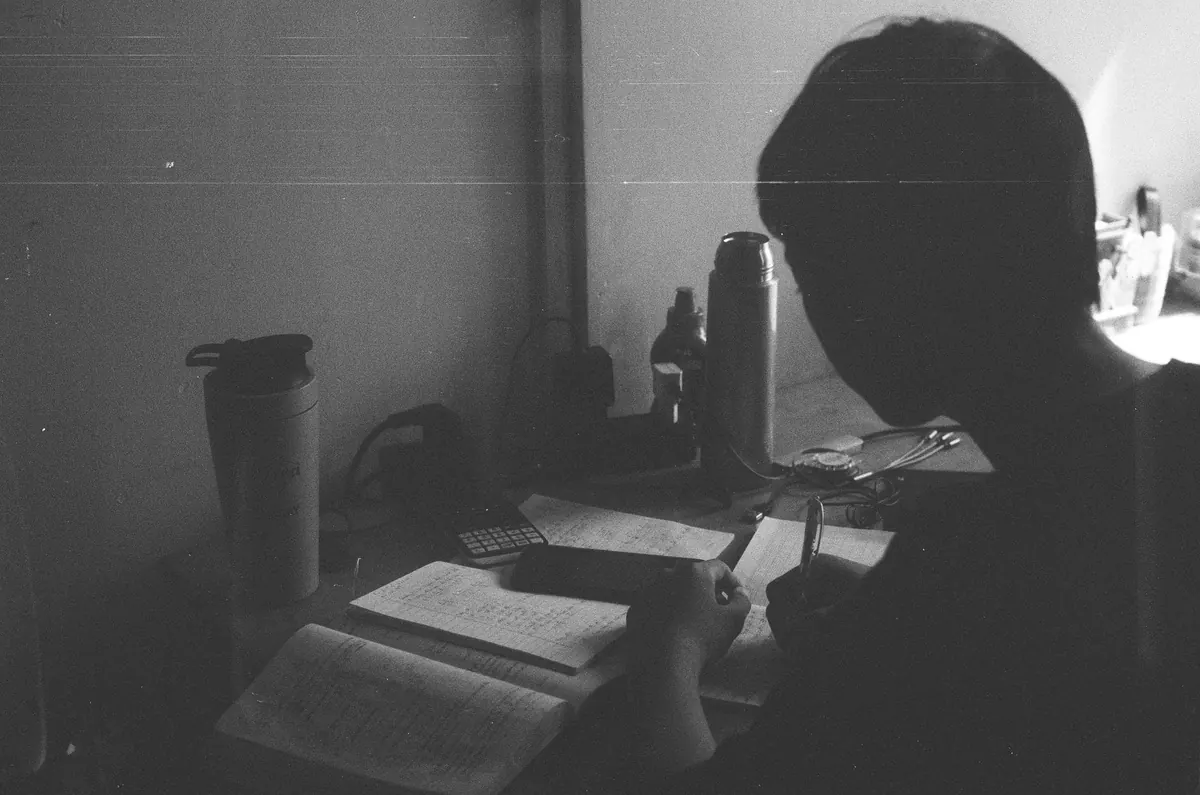
Most journaling advice assumes you have half an hour and a clear head. At ten in the evening you tend to have neither. The five-minute evening journal is built for that: one page, a handful of prompts, and a pen you can lay hands on without turning the big light back on.
This is not a diary you will reread for the story. It has three jobs — take the day out of your head, put the worries somewhere they can wait until morning, and leave you a little less wound up than you were when you sat down.
A short entry will not untangle a difficult year. It will not turn you into someone who sleeps eight hours and wakes before the alarm. What it does is break the loop. Unfinished thinking has a habit of running on repeat at night, and much of that thinking is not productive — it is just the mind re-checking the same list.
Writing it down gives the thought somewhere to sit. Once it is on the page, it stops asking to be held in your head. That is the whole mechanism, and it is why five minutes is enough: you are not trying to solve anything, you are transferring it.
Read it through once, then work down it in order. The whole thing fits on one side of A5.
Three lines is a deliberate limit. Give yourself more and the entry expands to fill the space; you end up writing a report on the day at the exact hour you should be winding down.
Aim for detail rather than summary. "Busy day at work" tells you nothing and takes just as long to write as "spent forty minutes rewriting an email that should have taken five". The second version is the one that will jog your memory in six months, and it also tells you something about where your energy went.
They do not need to be tidy or connected.
The gladness line is worth keeping separate. Avoid the vague version: "I'm grateful for my family" is fine to think but weak to write. "Rang Mum on the walk home and she laughed at something I said" is a line you can feel again when you read it back.
This is the part that earns its keep. Before you get into bed, empty the mental noticeboard: the unanswered message, the dentist appointment you have not booked, the thing you said in the meeting, the bill arriving next week. One line each. Spelling does not matter; completeness does.
Then mark them. A dot means you can do something about it. Nothing means it belongs to someone else's decision, or to next week's version of you, or to nobody at all. Most nights, only one or two items earn the dot.
"The tax return" is not a task, it is a feeling. "Find last year's login details" is a task, and it takes four minutes. When a worry lands on your list repeatedly, it usually means the first step is too big to picture. Shrink it until it is boring.
One sensible caveat: if worry is regularly keeping you awake, or the same anxious thought returns most nights regardless of what you write, that is worth raising with your GP. A notebook is a good habit, not a treatment.
Not a list. One item, chosen deliberately. Twelve items will be eighteen by breakfast, and you will start the day behind.
Write it as an action you could begin without thinking: "Open the spreadsheet and check the delivery dates" rather than "sort out the project". If tomorrow is already full of other people's meetings, your one thing can be small — ten minutes on something that matters to you, before the day gets loud.
The last thirty seconds matter more than they look. Use the same closing sentence every night — something flat and final — then put the pen down, close the notebook and set it where it lives. Do it in the same order each time.
That is today finished.
Repetition is what turns a set of prompts into a signal. After a fortnight or so, the closing line starts doing the work the prompts used to do, and the body reads it as the end of the day. Keep the phone out of the last part of the routine if you can; the point of the page is to stop new input, not invite it.
Keep the notebook and pen by the bed, so the only movement required is reaching sideways. Use the same six prompts for a month before changing anything; novelty is not the goal here.
If you tend to overrun, set a timer for five minutes and stop mid-sentence when it goes. Nothing is lost. And do not backfill: missing a night means nothing at all, so the next entry is tonight's rather than a summary of three days.
Cut it down rather than giving it up. Two lines, the worry dump and the closing sentence — ninety seconds, and the routine survives. A journal that turns into another thing you are failing at has stopped doing its job.
Start tonight with whichever part appeals least, usually the worry dump, and see whether the rest of the page gets easier to fill. Most evenings, it does.
Photo: The Hien Bui / Pexels

A practical checklist for naming, backing up, encrypting and future-proofing a digital diary, so years of private...
Paper and digital diaries each have real strengths. A practical look at searchability, privacy, backups and the...
September 30, 2026 - Digital Diaries
Copyright © 2026 Diary Stack. All Right Reserved.